EV Charger Installation: What Tampa Homeowners Should Know Before They Buy
A Level 2 home charger cuts charging time from days to hours, but most Tampa homes need an electrical evaluation before installation, not just a trip to the hardware store.
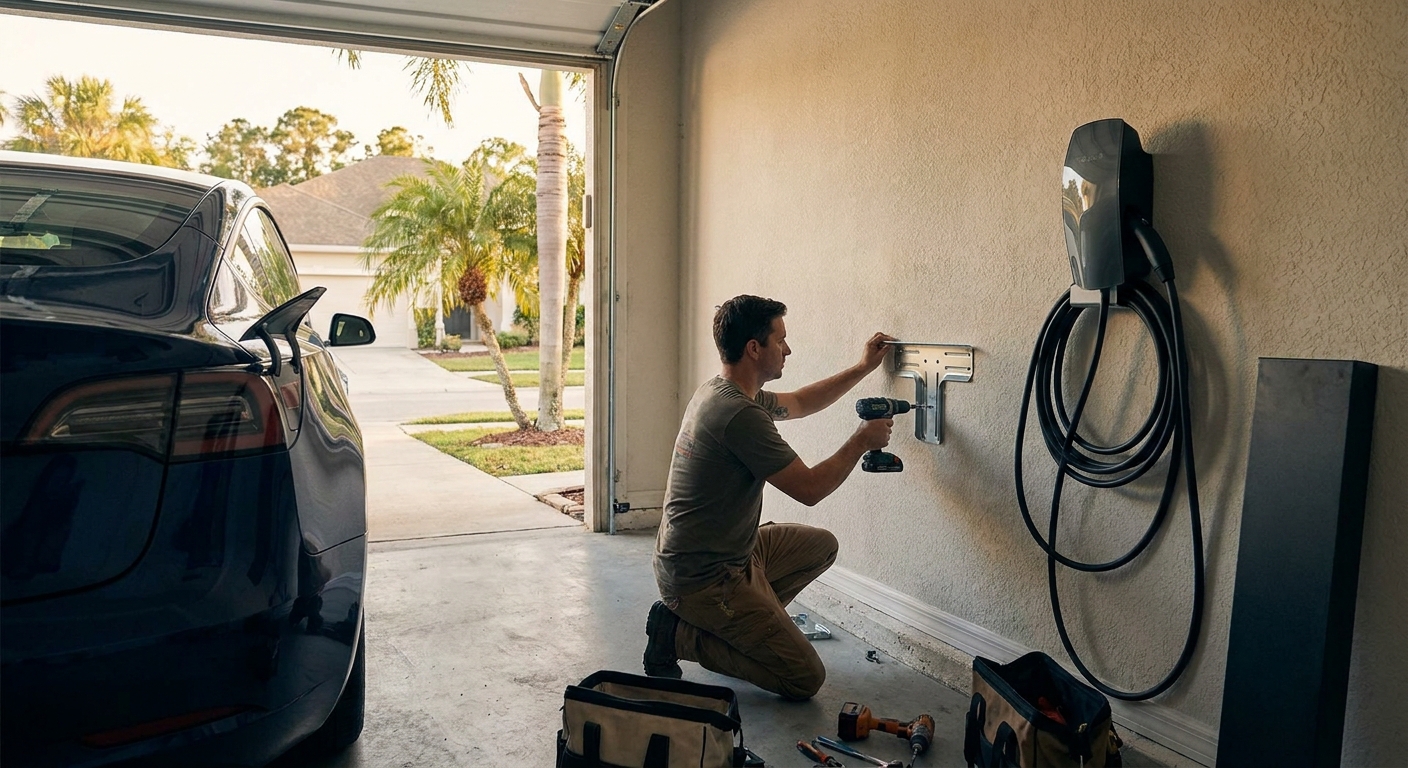
Level 1 vs. Level 2, and Why It Matters
The charging cable that comes with your EV plugs into a standard 120-volt outlet and is called Level 1. It works, but it's slow, often adding only 3 to 5 miles of range per hour. A Level 2 charger runs on a dedicated 240-volt circuit, similar to what powers your dryer, and can add 20 to 40 miles of range per hour. For daily commuters in Wesley Chapel, Riverview, or New Tampa, Level 2 is the only setup that makes sense.
Panel Capacity Comes First
A Level 2 charger draws a significant load, often 30 to 50 amps continuous. Before installation, we check whether your panel has room and enough spare capacity. Many Tampa homes built in the 1990s and 2000s with 150 or 200-amp service handle a charger fine. Older 100-amp homes in Carrollwood or Temple Terrace frequently need a panel upgrade first, which is worth budgeting for upfront rather than discovering it mid-install.
Garage Placement and Permit Requirements
Hillsborough and Pinellas counties both require a permit for EV charger circuits, and the inspection confirms the breaker size matches the charger's rating and that GFCI protection is in place where required. Placement matters too. We route the circuit to minimize wire run length, which keeps voltage drop low and the install cost down. If you're building new or doing a garage remodel, roughing in conduit for a future charger now saves a wall repair later.
Rather have a pro handle it?
Same-day electrical service across the Tampa Bay area. A real electrician picks up.
Keep reading.
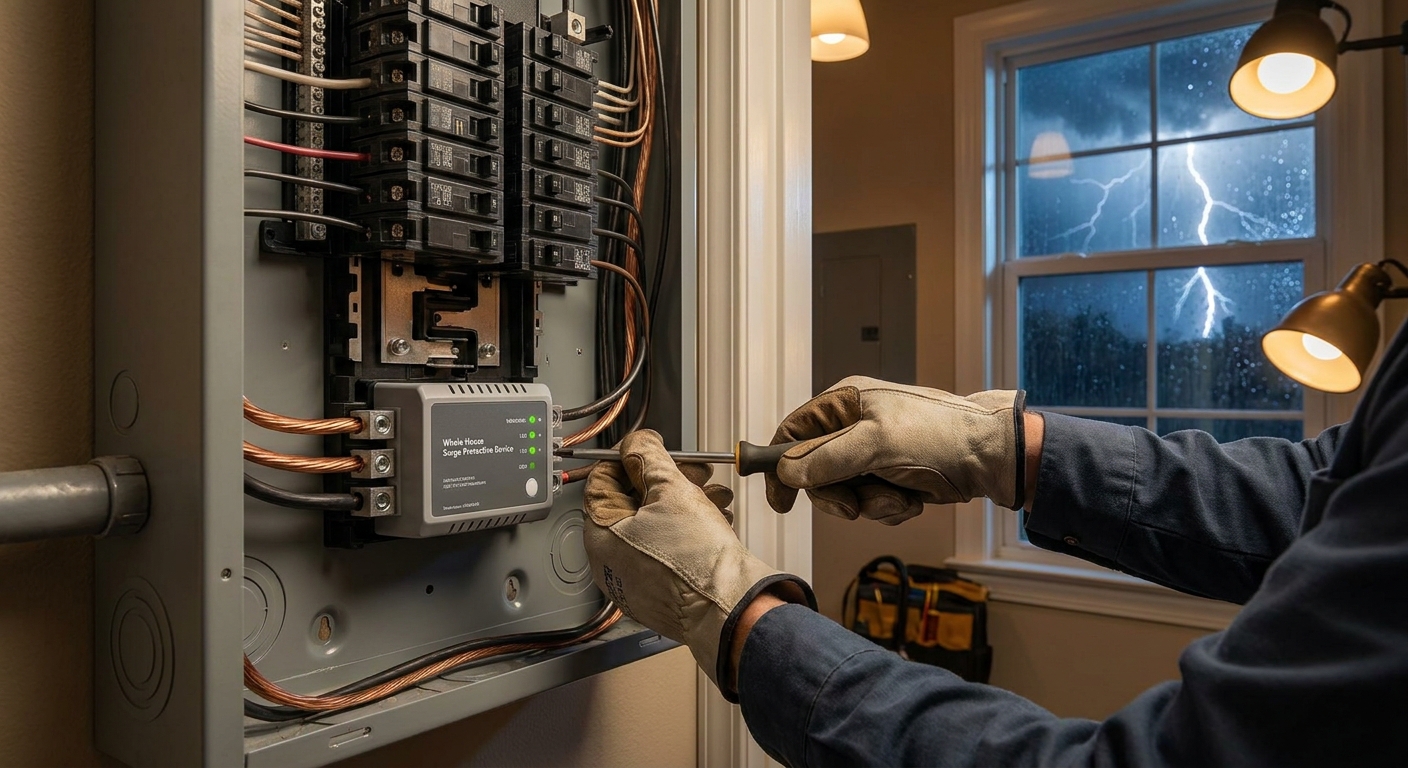
Whole-House Surge Protection: Why Tampa Bay Homes Need It
Tampa Bay sees more lightning strikes than almost anywhere else in the country, and that puts every appliance in your home at risk without the right protection.
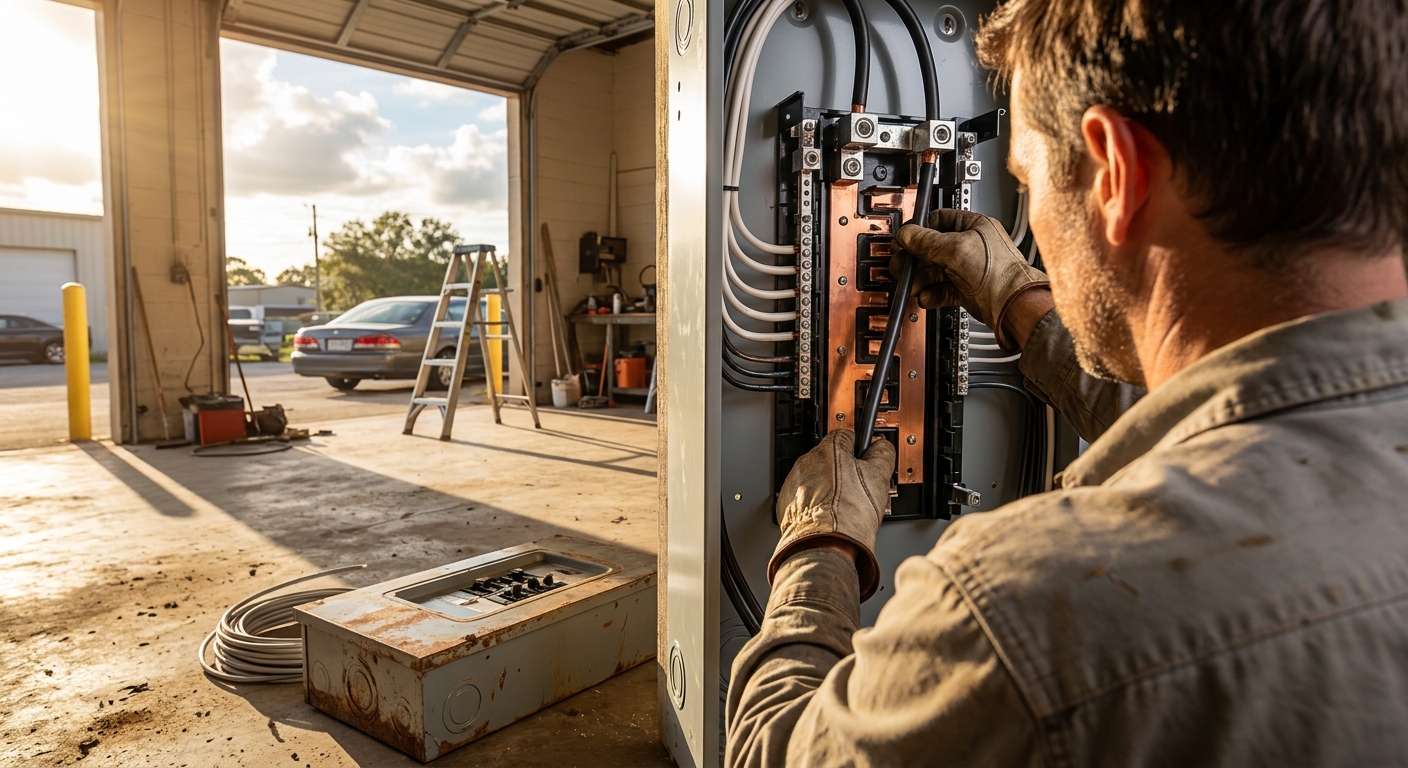
Panel Upgrades: When Your Tampa Home Has Outgrown Its Electrical Service
A lot of Tampa Bay's housing stock still runs on 60 or 100-amp panels installed decades before central air, EVs, and home offices existed.
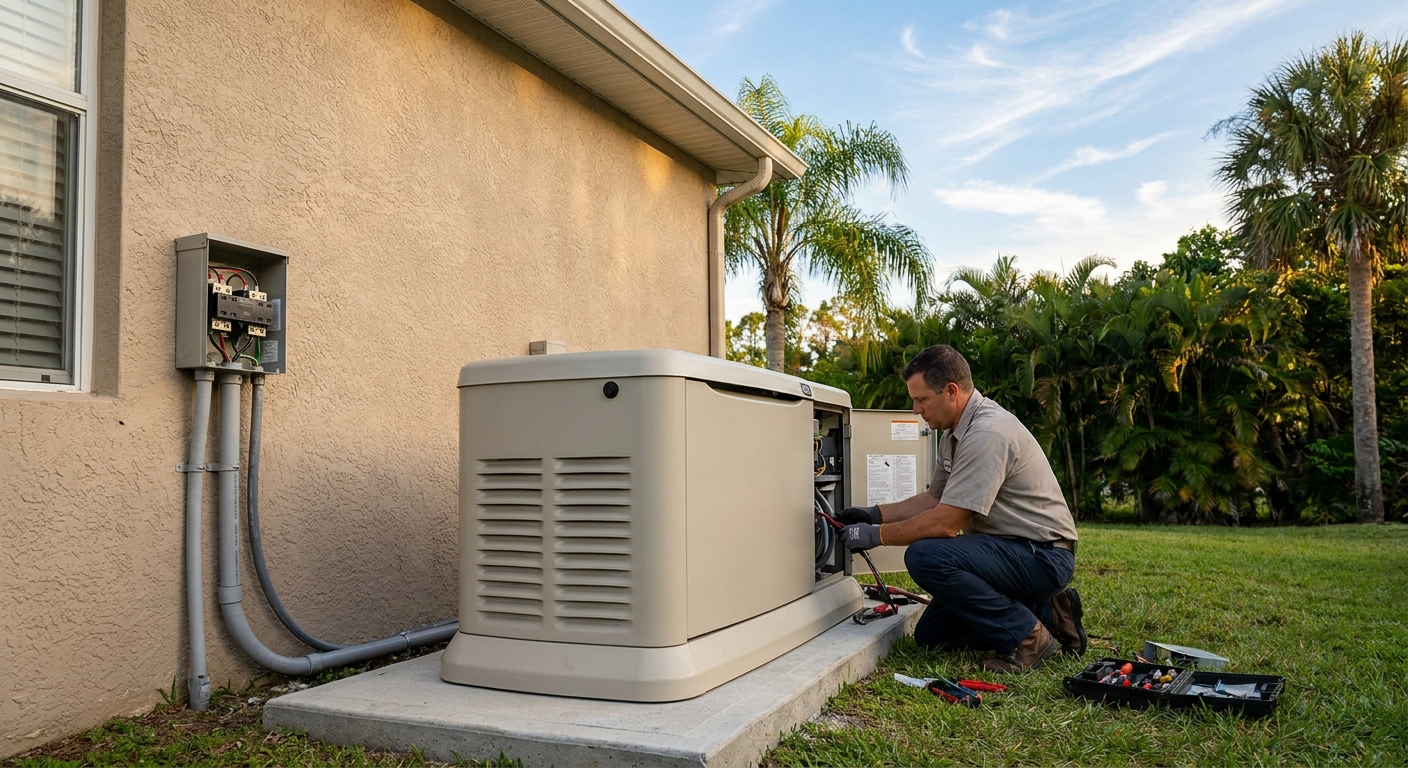
Whole-Home Generators: Hurricane-Ready Backup Power for Tampa Bay
Extended outages after hurricane season are a fact of life in Tampa Bay, and a properly installed standby generator keeps your home running without the fumes and extension cords of a portable unit.