Tampa Bay electrical guides
Straight-talk guides for the electrical problems Tampa Bay homes run into most. Learn what's going on, what you can check yourself, and when it's time to call a licensed electrician.
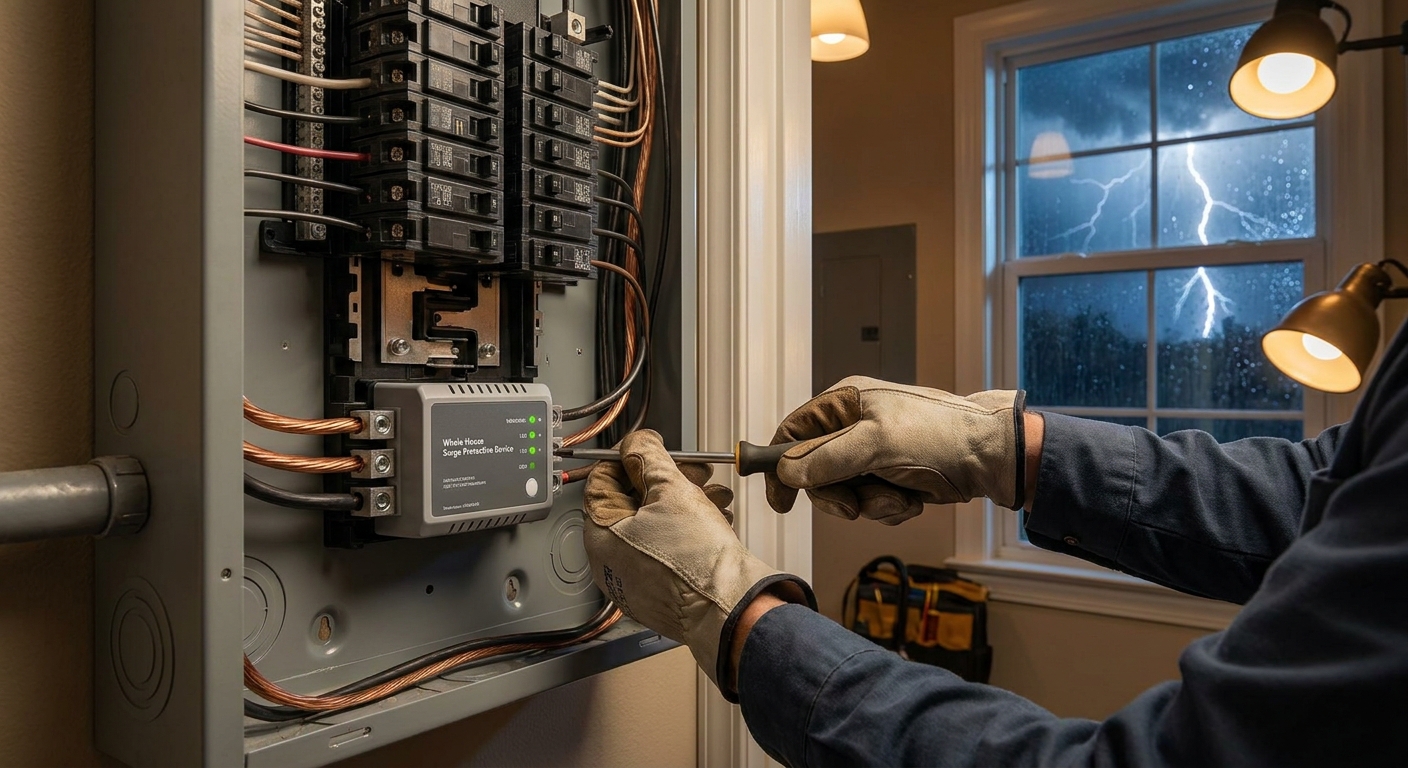
Guides and how-tos
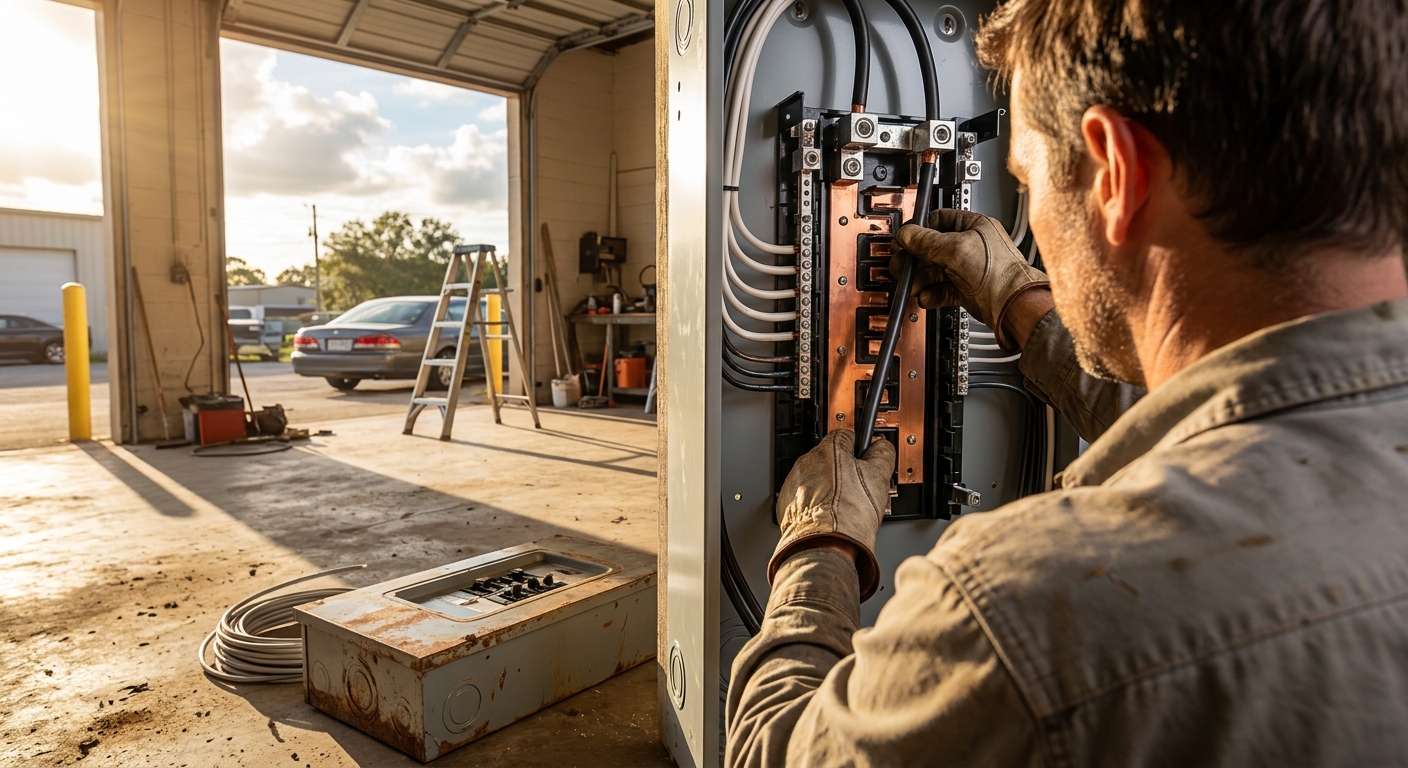
Panel Upgrades: When Your Tampa Home Has Outgrown Its Electrical Service
A lot of Tampa Bay's housing stock still runs on 60 or 100-amp panels installed decades before central air, EVs, and home offices existed.
Read guide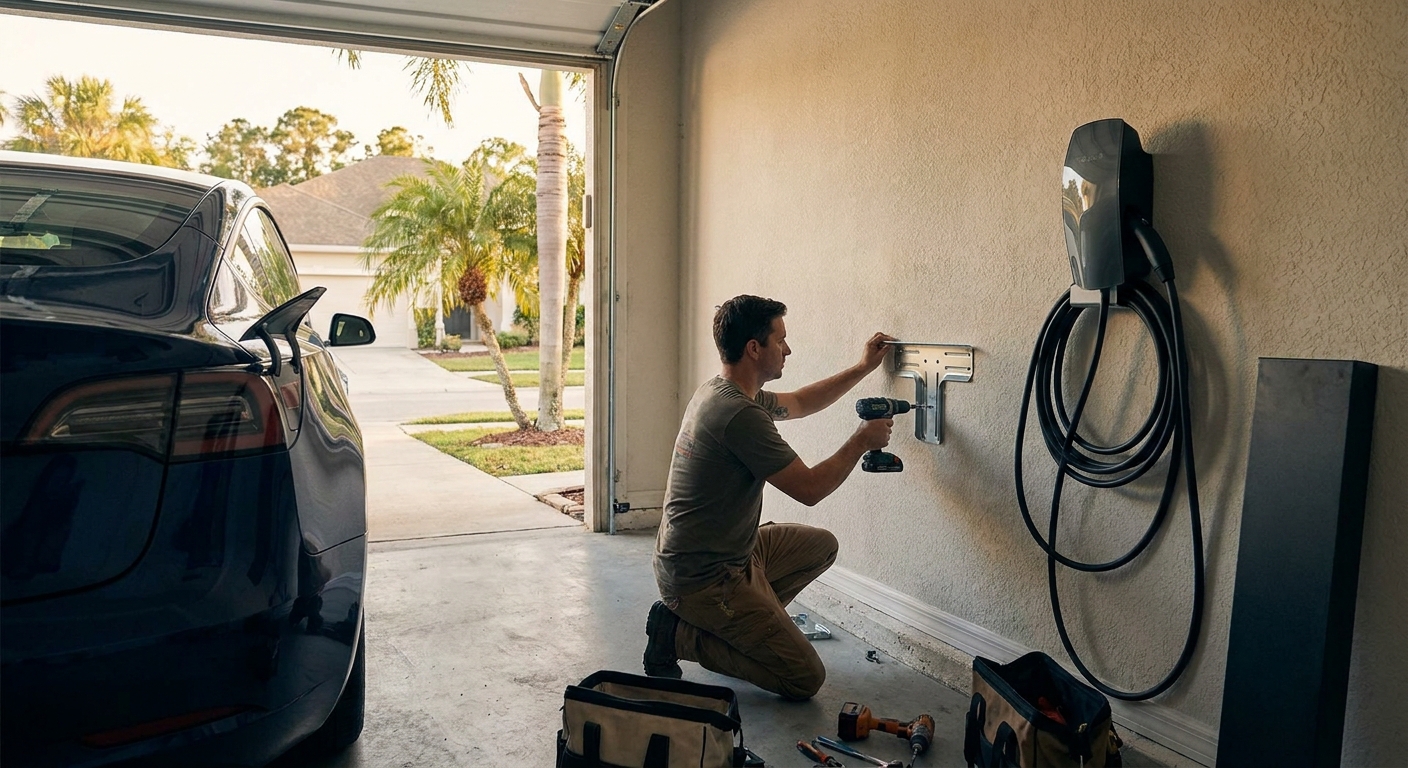
EV Charger Installation: What Tampa Homeowners Should Know Before They Buy
A Level 2 home charger cuts charging time from days to hours, but most Tampa homes need an electrical evaluation before installation, not just a trip to the hardware store.
Read guide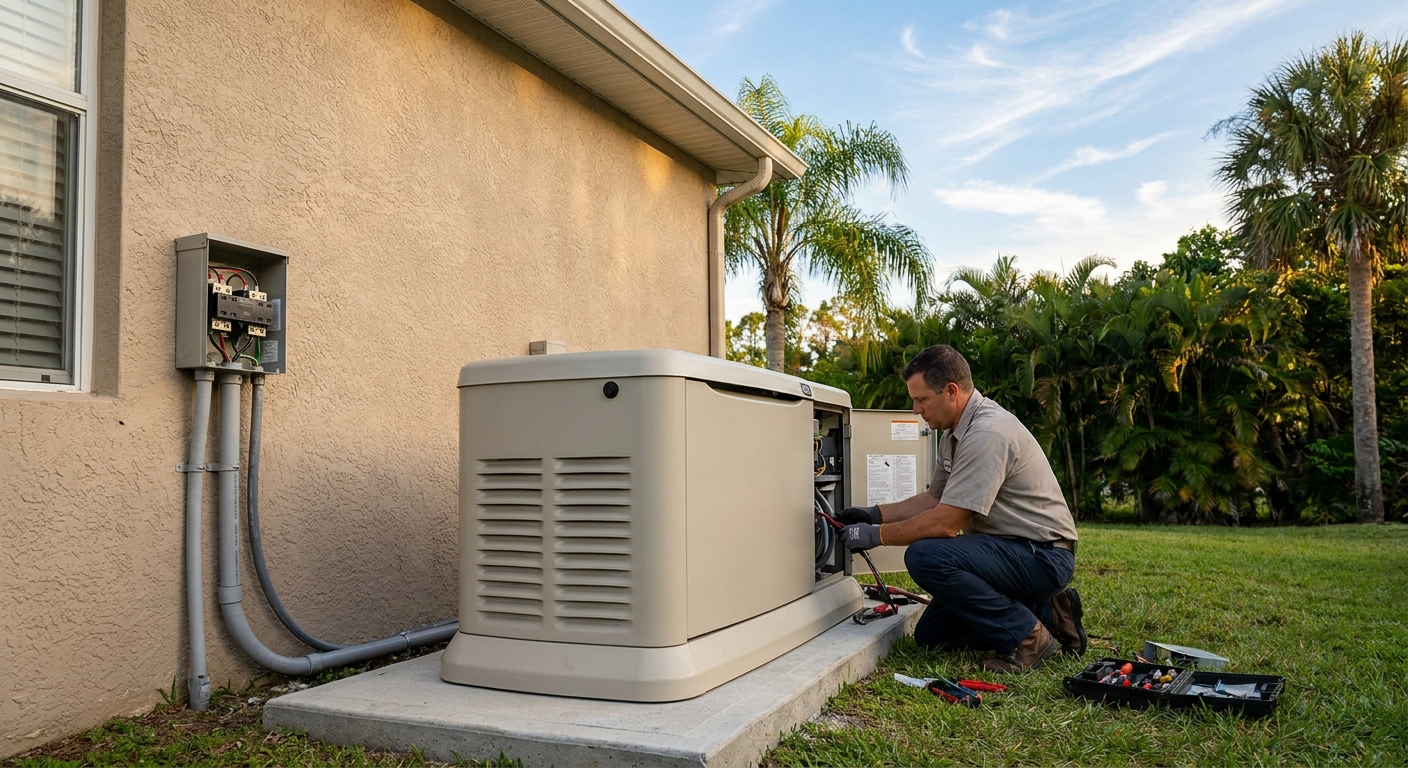
Whole-Home Generators: Hurricane-Ready Backup Power for Tampa Bay
Extended outages after hurricane season are a fact of life in Tampa Bay, and a properly installed standby generator keeps your home running without the fumes and extension cords of a portable unit.
Read guide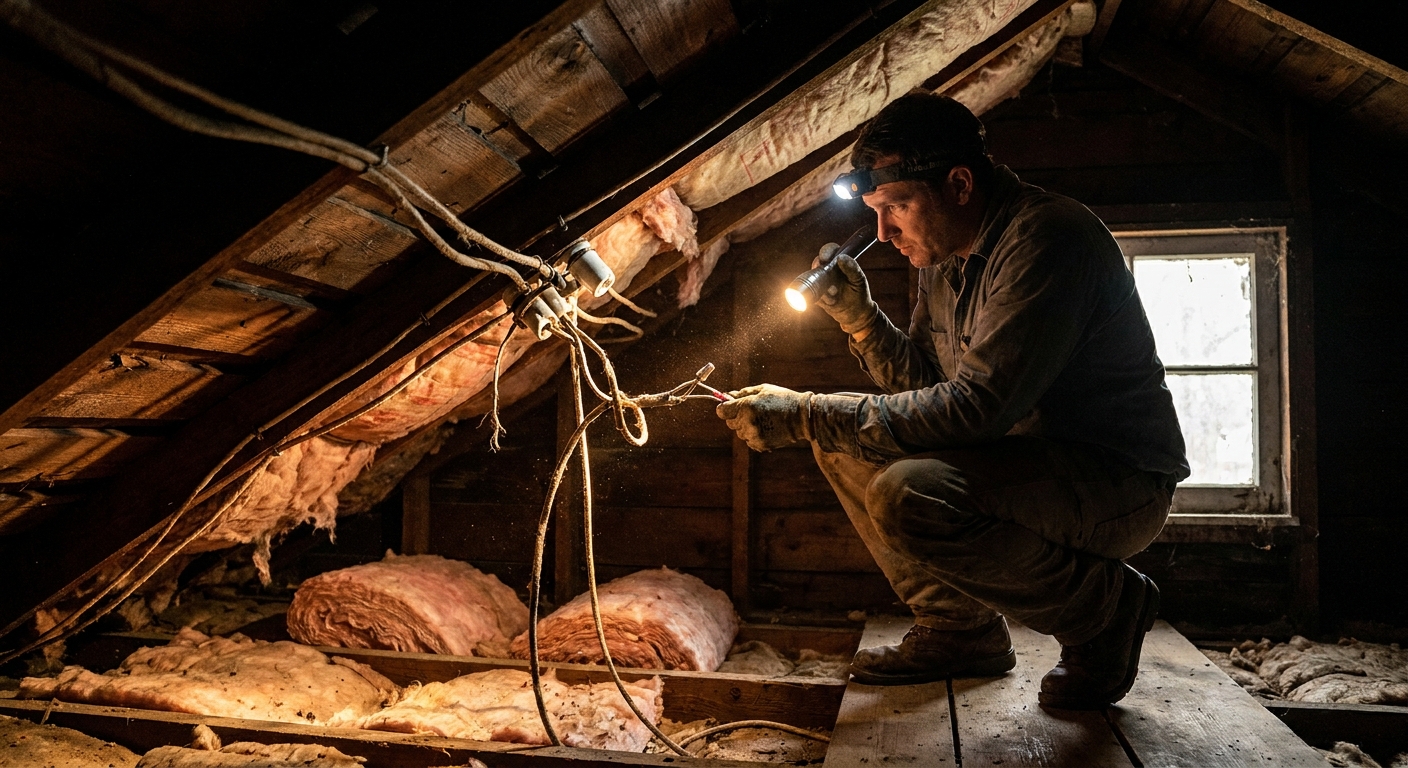
Aluminum and Knob-and-Tube Wiring: What Older Tampa Homes Are Hiding
Homes in Seminole Heights, Hyde Park, Temple Terrace, and other pre-1970s Tampa Bay neighborhoods often still carry original wiring that modern insurers won't cover.
Read guide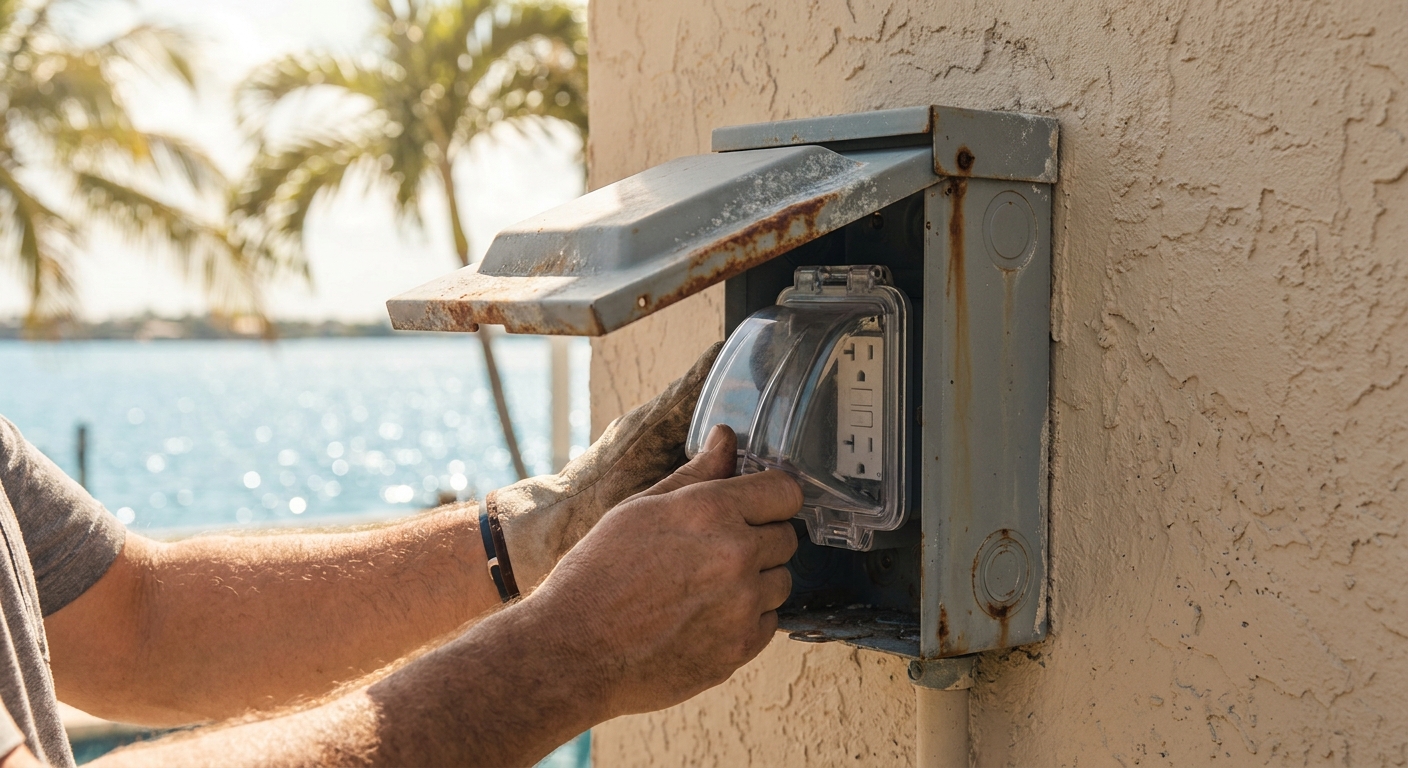
Salt Air and Coastal Corrosion: Protecting Outdoor Electrical Near Tampa Bay
Homes near the water in Davis Islands, Apollo Beach, St. Pete Beach, and Tierra Verde face a corrosion timeline that inland Tampa homes never see.
Read guide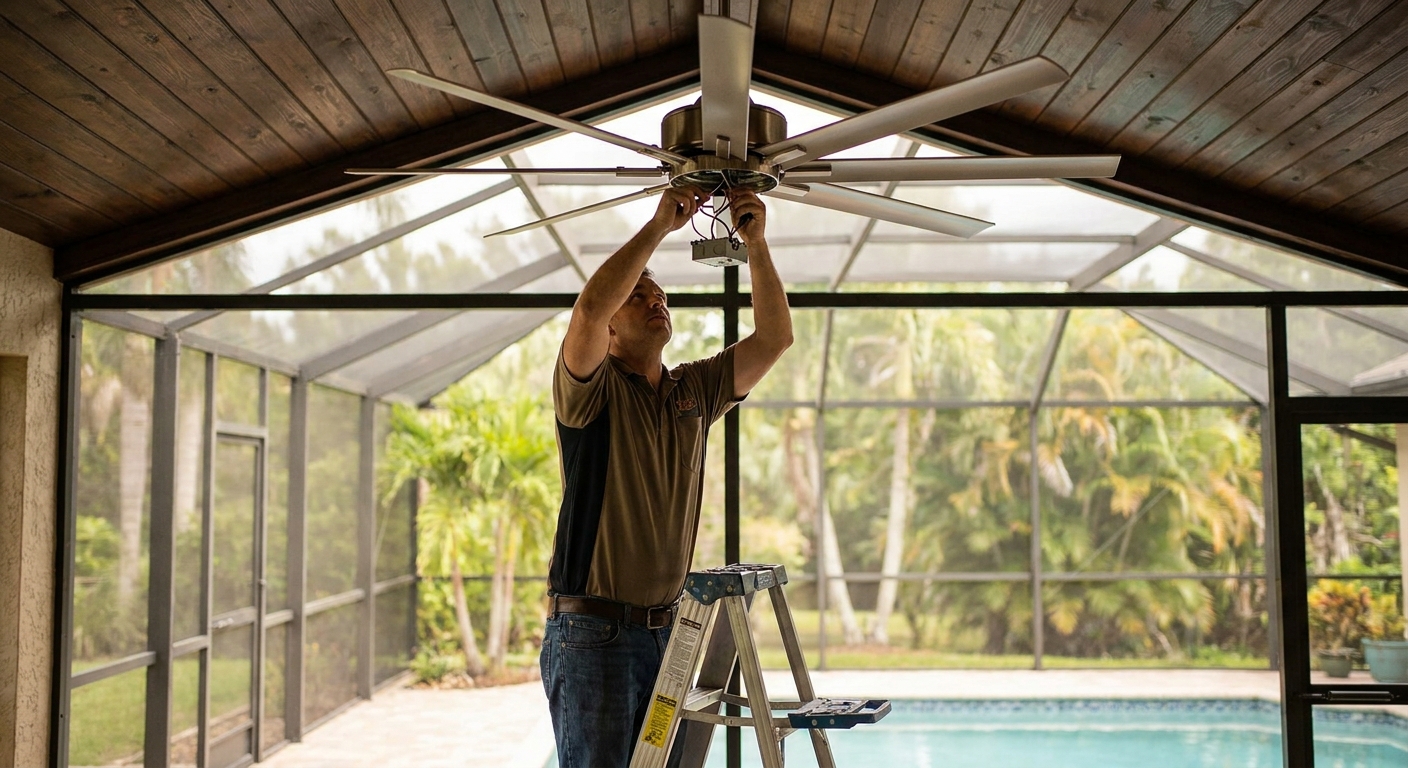
Ceiling Fans and Florida Heat: Getting the Wiring and Placement Right
A properly wired ceiling fan can let Tampa homeowners raise the thermostat a few degrees without losing comfort, but most fan boxes in older homes aren't rated to hold one safely.
Read guide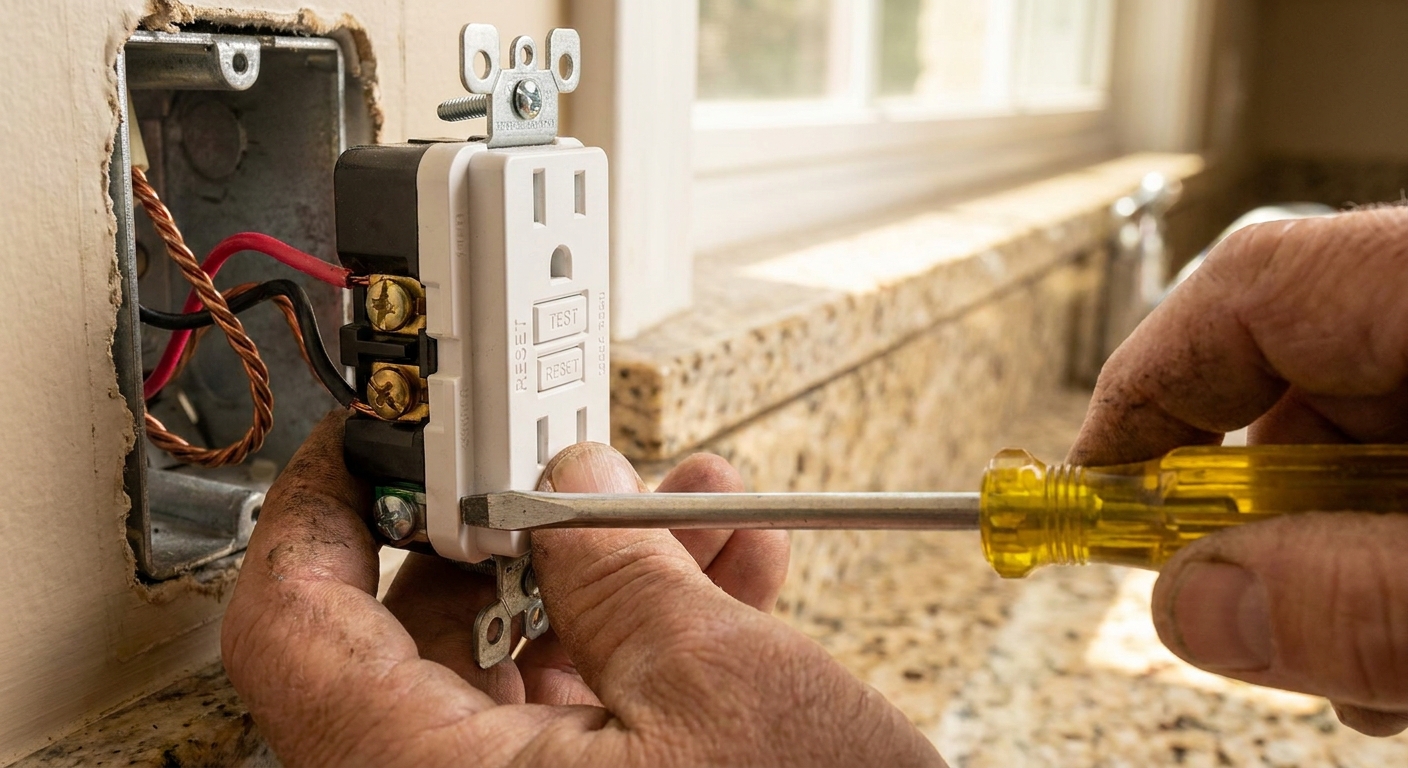
GFCI and AFCI Protection: What Florida Code Requires and Why
Bathrooms, kitchens, garages, and outdoor outlets all require GFCI protection under current code, and knowing the difference between GFCI and AFCI protects both your home and your family.
Read guideWhen should you stop and call a professional?
Some problems are past a DIY fix. If you see any of these, shut the power off and pick up the phone. Waiting turns cheap repairs into expensive replacements, or worse.
-
You smell a burning or hot plastic odor near an outlet, switch, or the panel itself. Turn off power at the breaker if it's safe to reach and call immediately, this is not a wait-and-see situation.
-
A breaker trips repeatedly even after you've unplugged everything on that circuit. A breaker that won't reset or keeps tripping under a light load points to a wiring fault, not an overloaded circuit.
-
Outlets or switch plates feel warm to the touch, or you see scorch marks, discoloration, or melted plastic around an outlet. Stop using that outlet and get it inspected before it's used again.
-
You're adding a major load like a hot tub, EV charger, generator, or a home addition. These all need a licensed evaluation of your panel's capacity before installation, not after.
-
Your home still has knob-and-tube wiring, ungrounded two-prong outlets, or a fuse box instead of breakers. These are all signs your electrical system predates modern safety code and needs a full assessment.
-
Lights flicker or dim across the whole house, not just one fixture, especially when a large appliance kicks on. This often points to a loose connection at the panel or service entrance, which is a fire risk.
Video guides from trusted channels
Hand-picked walkthroughs from established channels like This Old House. Good for understanding what a job involves before you call. Panel and service work still belongs with a licensed electrician.
How to Upgrade an Electric Meter to 200-Amp Service (Part 1)
This Old House
How to Upgrade an Electrical Panel to 200-Amp Service (Part 2)
This Old House
How To Install An EV Car Charger
Everyday Home Repairs
Emergency Standby Generator Install, Start to Finish (Generac 24kW)
FarmCraft101
How to Install an Automatic Standby Generator
Ask This Old House
How to Install Surge Protection
Ask This Old House
How To Install a Surge Protector in a Main Panel (NEC Types Explained)
Benjamin Sahlstrom
How to Wire a GFCI Outlet: What's Line vs Load?
Top Homeowner
Aluminum Wiring Repair Fix: AlumiConn Pigtail Connections
Flannel Guy DIY
How to Install a Ceiling Fan
This Old House
More electrical resources worth reading
Hillsborough County Building Permits and Inspections
Permit requirements for electrical work in unincorporated Hillsborough County, including Brandon, Riverview, and the South Shore area.
Pinellas County Building and Development Review
Permitting and inspection information for electrical projects in Pinellas County, including St. Petersburg and Clearwater.
Energy.gov: Electric Vehicle Charging at Home
U.S. Department of Energy guidance on Level 1 vs. Level 2 home EV charging and installation basics.
Ready.gov: Power Outages
Federal guidance on generator safety and preparing for extended outages, relevant to Florida hurricane season.
National Weather Service Tampa Bay: Lightning Safety
Local lightning risk data for the Tampa Bay area from the NWS Tampa Bay Ruskin office.
Still stuck? Call a licensed electrician.
If the guide didn't solve it, we probably can. Flat-rate pricing, same-day service across the Tampa Bay area.